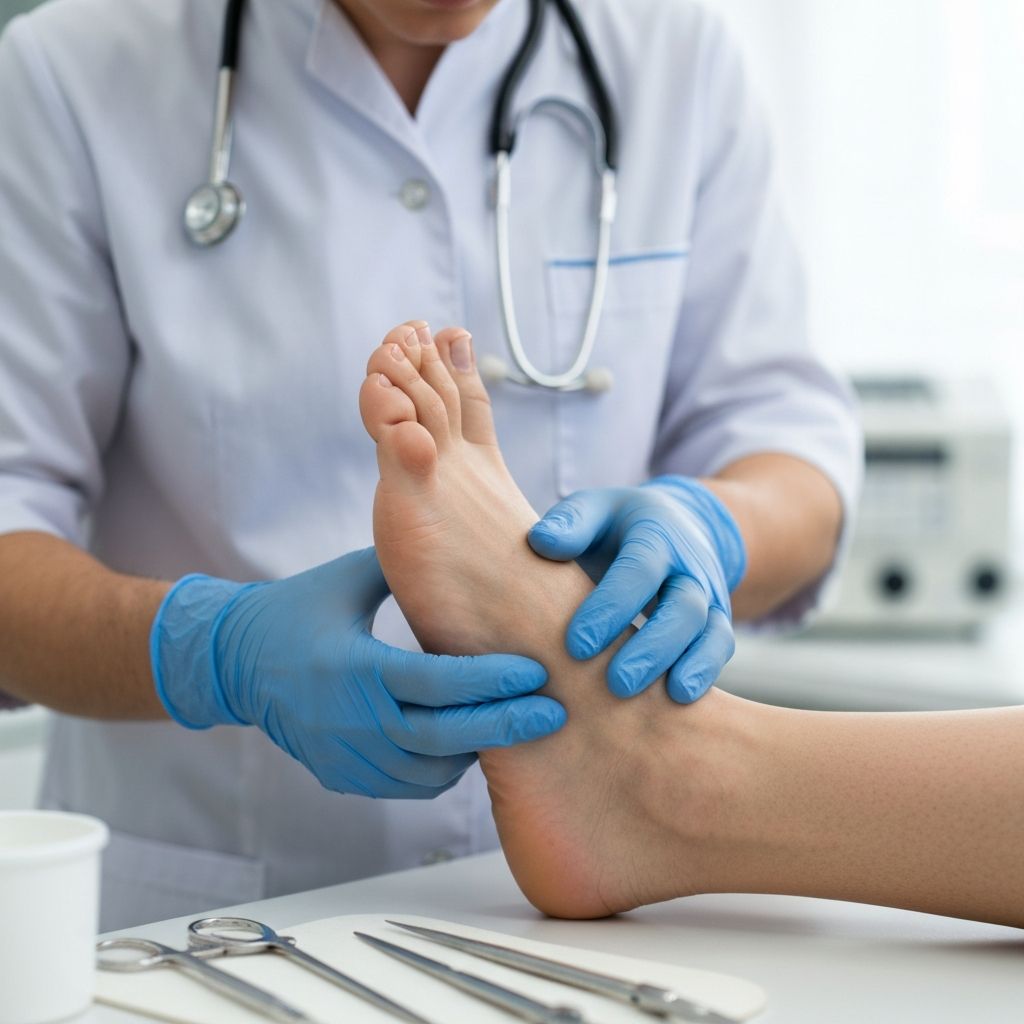
Plantar Fasciitis
Targeted Treatment for Stubborn Heel and Arch Pain.
Plantar fasciitis is one of the most common causes of heel pain — characterised by sharp, stabbing pain under the heel or along the arch, particularly first thing in the morning or after periods of rest. It is caused by inflammation and micro-tears in the plantar fascia, the thick band of tissue that supports the arch of the foot.
Left untreated, plantar fasciitis can become chronic and severely limit mobility. Our podiatrists provide evidence-based treatment including stretching protocols, footwear advice, taping, shockwave therapy, and custom orthotics to offload the affected tissue and support long-term recovery.
Most patients notice significant improvement within 6–12 weeks of starting treatment, though full resolution can take several months. Early intervention leads to faster recovery and prevents the condition from becoming entrenched.
What We Offer
- Biomechanical assessment & diagnosis
- Custom orthotic prescription
- Stretching & strengthening programme
- Shockwave therapy (ESWT)
- Taping & strapping techniques
- Footwear assessment & advice
Plantar fasciitis rarely resolves on its own. Professional assessment and targeted treatment significantly improve recovery time and prevent chronic pain.
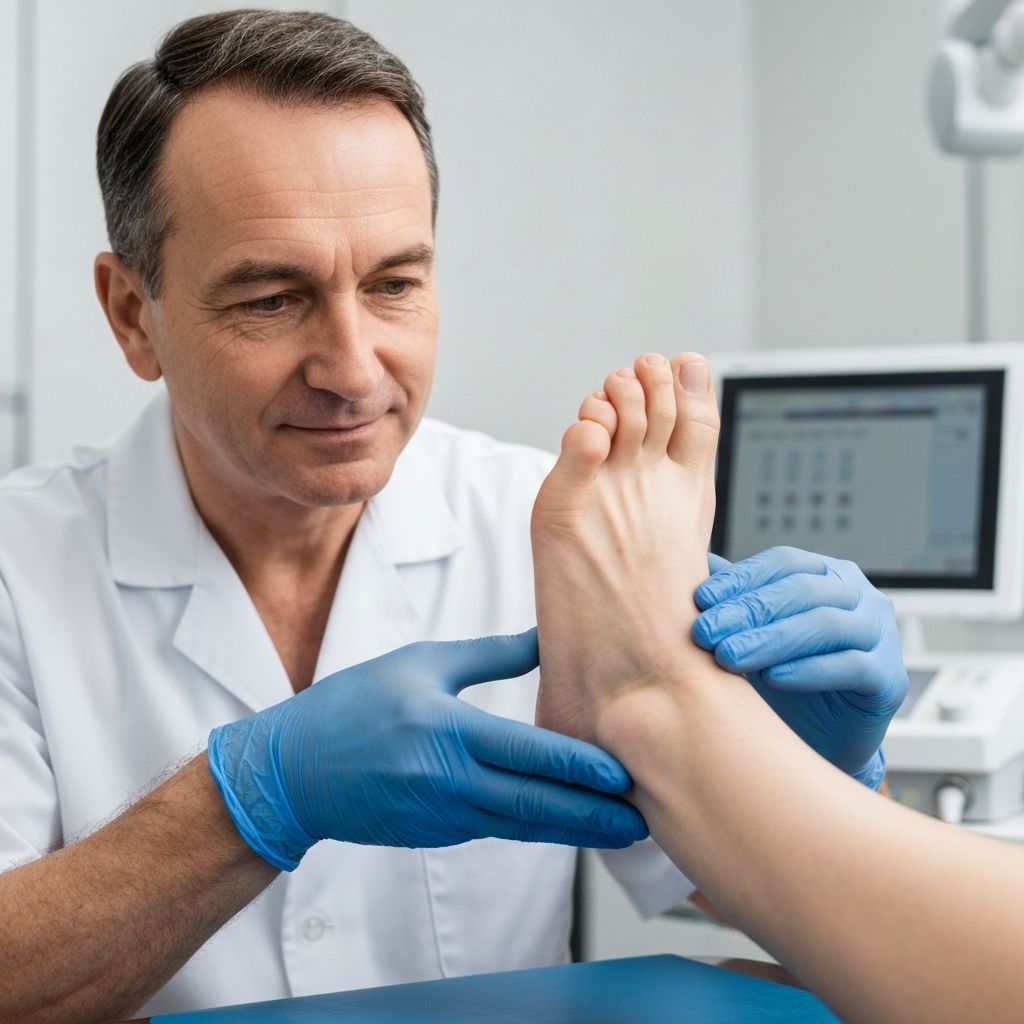
Heel Pain
Accurate Diagnosis and Effective Relief for All Causes of Heel Pain.
Heel pain can have many different causes — from plantar fasciitis and Achilles tendinopathy to heel spurs, bursitis, stress fractures, and nerve entrapment. Accurate diagnosis is essential because different conditions require different treatments.
Our podiatrists conduct a thorough clinical assessment including palpation, range-of-motion testing, and where necessary, referral for imaging (X-ray, ultrasound, or MRI). We then create a tailored treatment plan targeting the specific underlying cause of your pain.
Whether your heel pain is acute following an injury or chronic and worsening over time, we have the expertise and treatment options to get you back to full function.
What We Offer
- Comprehensive diagnostic assessment
- Imaging referral (X-ray, ultrasound, MRI)
- Custom orthotic therapy
- Shockwave therapy for chronic pain
- Heel padding & offloading techniques
- Steroid injection for severe inflammation
Heel pain that persists beyond 2 weeks should be professionally assessed. Early treatment prevents chronic conditions from developing.
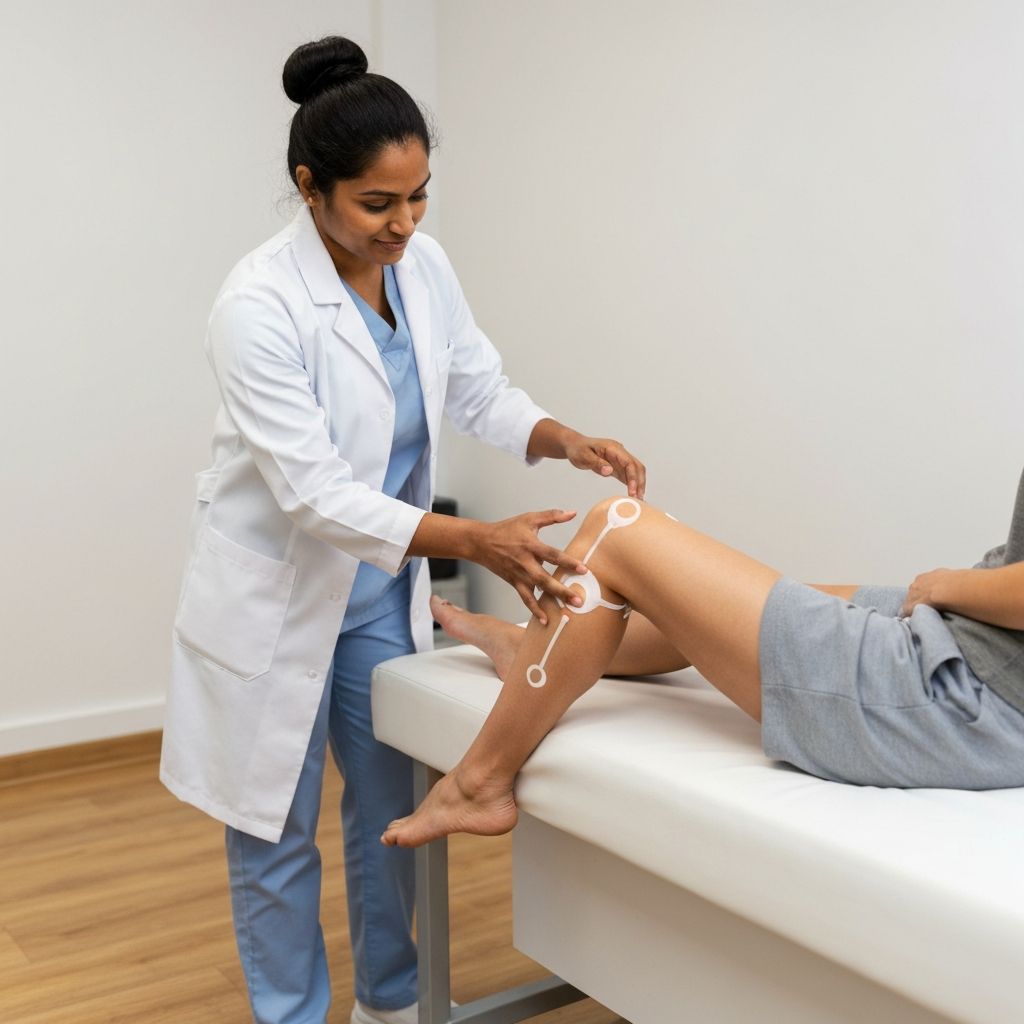
Knee Pain
Biomechanical Solutions for Lower Limb-Related Knee Pain.
Many cases of knee pain — particularly patellofemoral pain syndrome (runner's knee), iliotibial band syndrome, and medial knee pain — are caused or aggravated by poor foot and ankle biomechanics. Overpronation, leg length discrepancy, and gait abnormalities all place excessive stress on the knee joint.
Our podiatrists assess the entire lower limb kinetic chain to identify the biomechanical factors contributing to your knee pain. Treatment may include custom orthotics, strengthening exercises, gait retraining, and footwear modification to correct alignment and reduce knee stress.
This approach addresses the root cause rather than masking symptoms, leading to long-term resolution rather than temporary relief.
What We Offer
- Full lower limb biomechanical assessment
- Video gait analysis
- Custom orthotic prescription
- Muscle strengthening & flexibility programme
- Footwear assessment & modification
- Referral to physiotherapy if required
Knee pain related to biomechanical issues often improves dramatically once foot function is corrected with orthotics and gait retraining.
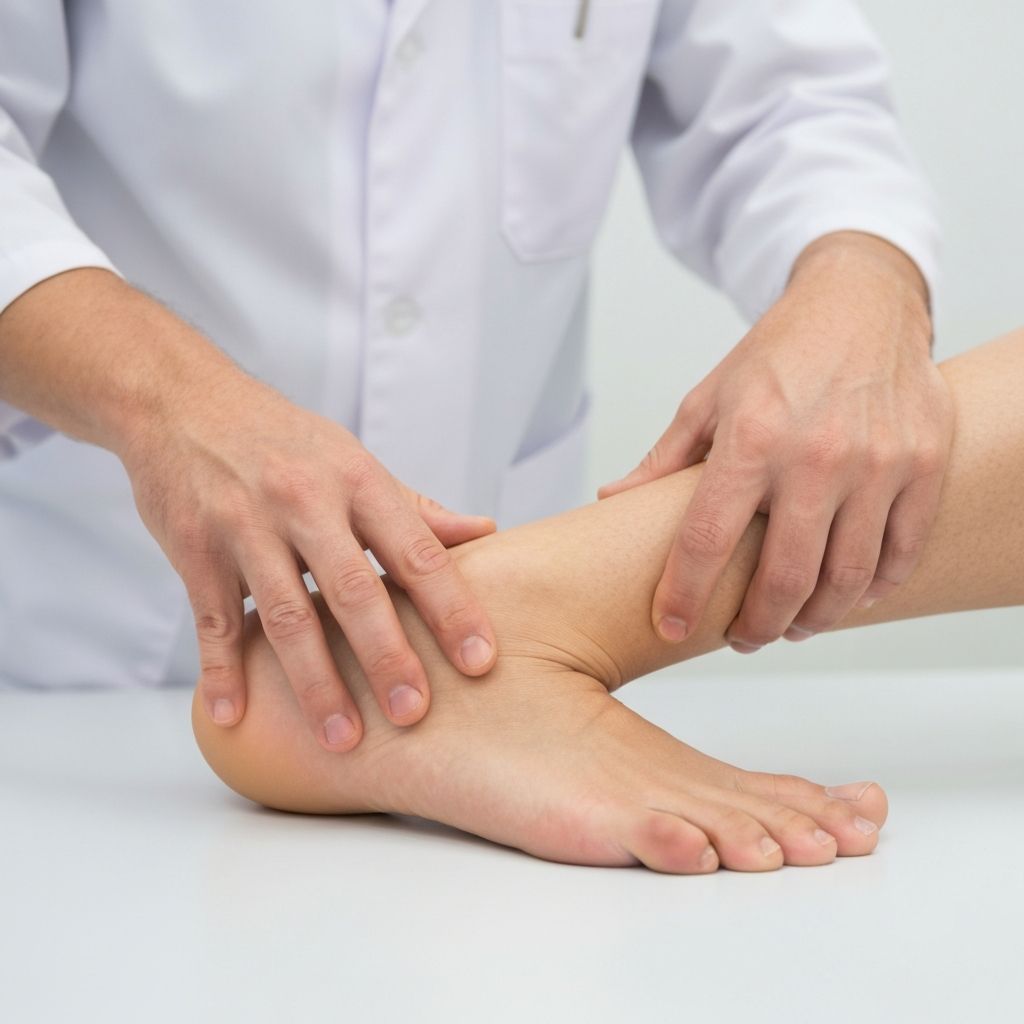
Ankle Pain / Instability
Expert Assessment and Rehabilitation for Ankle Injuries.
Ankle sprains, chronic instability, and recurrent ankle rolling are extremely common — particularly in active individuals and those with poor proprioception or biomechanical imbalances. Poorly managed ankle injuries often lead to long-term weakness and repeated injury.
Our podiatrists assess ligament integrity, joint range of motion, muscle strength, and proprioceptive control to determine the extent of injury and create a comprehensive rehabilitation plan. This may include bracing, taping, strengthening exercises, balance training, and custom orthotics to improve foot and ankle stability.
For patients with chronic ankle instability, we address underlying biomechanical factors such as overpronation or supination that predispose the ankle to repeated injury.
What We Offer
- Clinical ankle examination & diagnosis
- Ligament stress testing
- Proprioception & balance assessment
- Ankle taping & bracing
- Strengthening & rehabilitation programme
- Custom orthotics for biomechanical correction
Chronic ankle instability significantly increases the risk of osteoarthritis in later life. Early intervention and proper rehabilitation are essential.
Flat Feet / Overpronation
Correcting Biomechanical Imbalances to Prevent Pain and Injury.
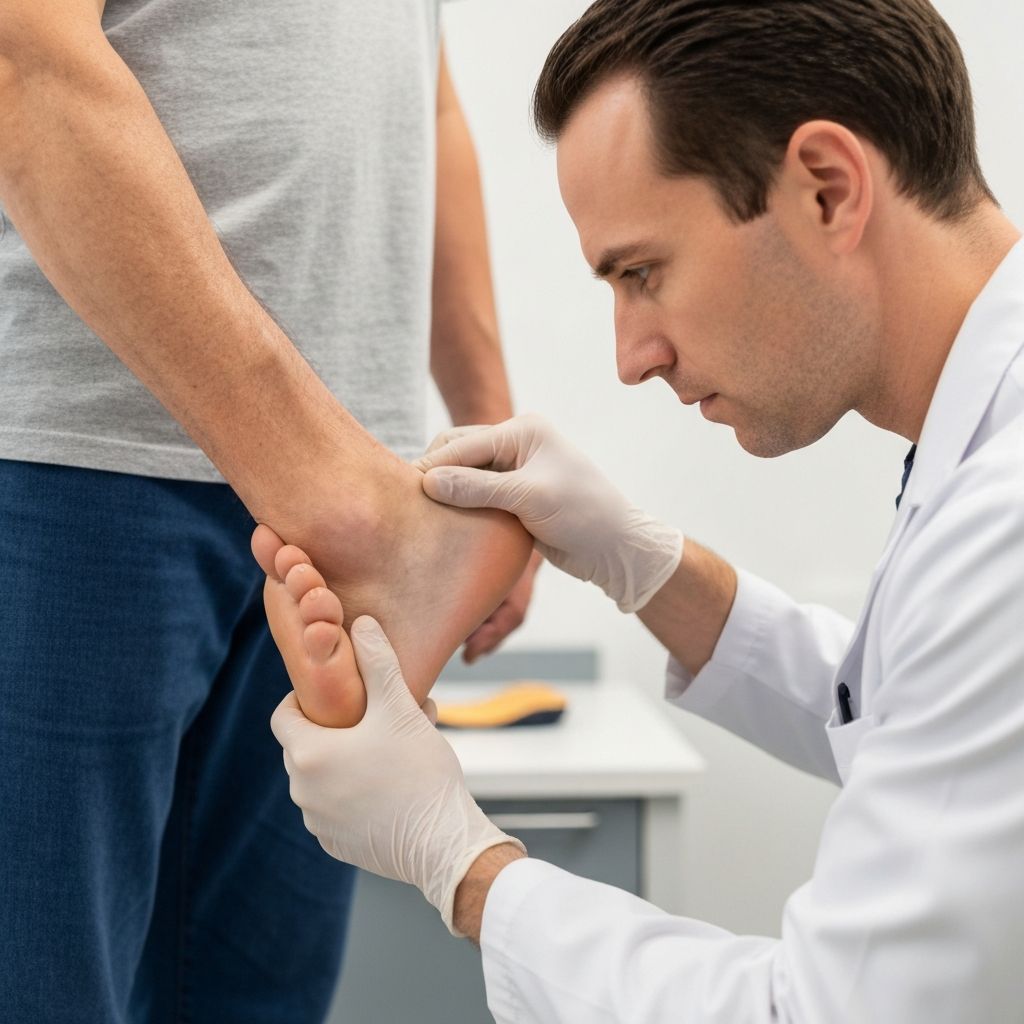
Flat feet (pes planus) and overpronation occur when the arch of the foot collapses excessively during walking or running. This causes poor shock absorption, increased stress on joints and tendons, and a cascade of biomechanical problems affecting the ankles, knees, hips, and lower back.
Many people with flat feet experience no symptoms at all. However, when flat feet do cause pain — whether in the foot itself or higher up the kinetic chain — custom orthotics are the gold-standard treatment. Orthotics support the arch, control pronation, and restore efficient lower limb mechanics.
Our podiatrists conduct a full biomechanical assessment to determine whether your flat feet require intervention, and if so, prescribe precision-moulded orthotics tailored to your foot shape, gait pattern, and activity level.
What We Offer
- Biomechanical assessment & gait analysis
- 3D foot scanning & casting
- Custom orthotic prescription
- Footwear advice & modification
- Strengthening exercises for foot muscles
- Activity-specific orthotic design
Not all flat feet require treatment. Our podiatrists will assess whether your foot structure is contributing to pain or dysfunction before recommending intervention.
Gait Analysis
Advanced Video Analysis to Optimise Movement and Prevent Injury.
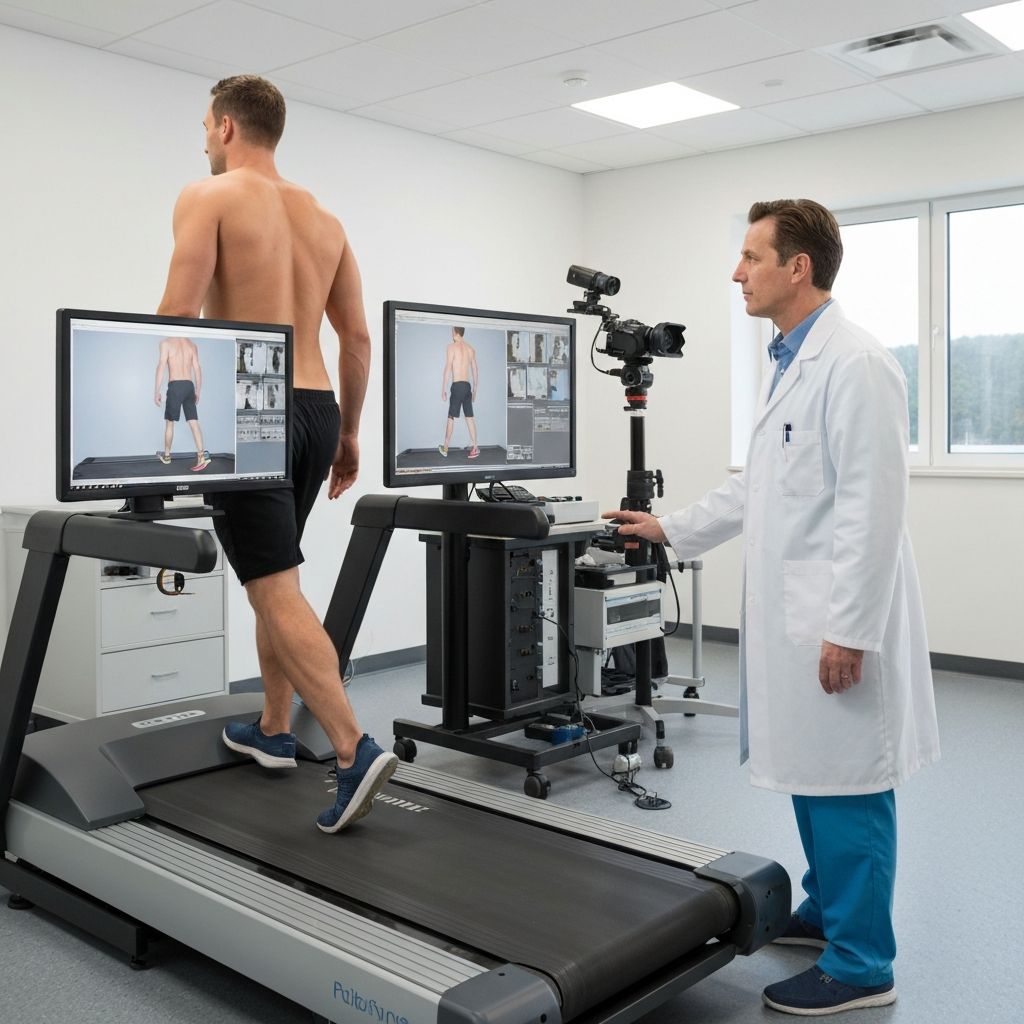
Gait analysis is a detailed assessment of how you walk or run. Using high-speed video recording and slow-motion playback, we analyse foot strike, pronation, stride length, cadence, and overall lower limb mechanics to identify inefficiencies, imbalances, and injury risk factors.
Gait analysis is particularly valuable for runners, athletes, and patients with chronic or recurring lower limb pain. It allows us to pinpoint exactly what is happening during movement and design targeted interventions — whether that is orthotics, footwear changes, gait retraining, or strengthening exercises.
We use both walking and running gait analysis depending on your needs, and provide a full written report with video stills and treatment recommendations.
What We Offer
- High-speed video gait recording
- Slow-motion biomechanical analysis
- Foot pressure mapping (pedobarography)
- Written gait analysis report
- Customised treatment recommendations
- Gait retraining & coaching
Gait analysis is included as part of our comprehensive biomechanical assessment and is particularly recommended for runners and athletes.
Custom Orthotics
Precision-Made Orthotic Insoles for Lasting Pain Relief and Performance.
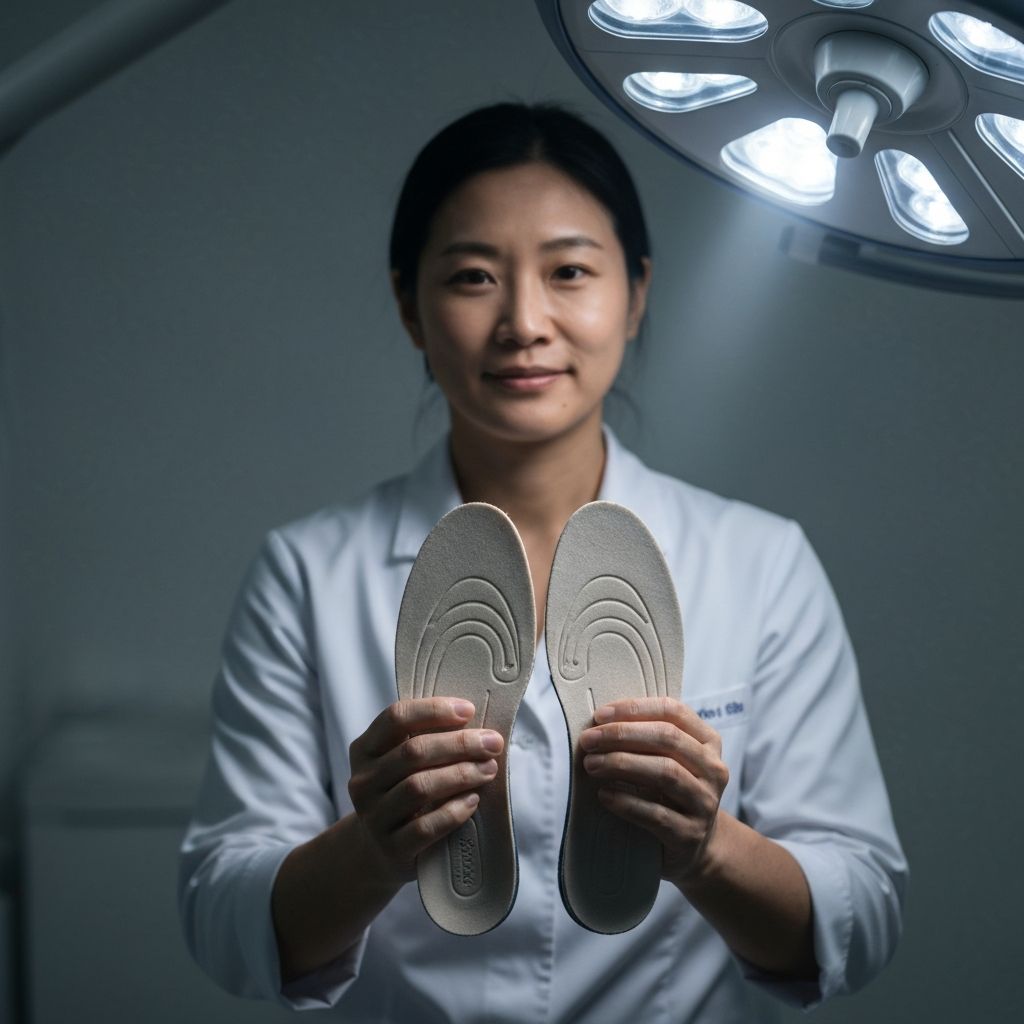
Custom orthotics are medical-grade insoles designed specifically for your feet, gait pattern, and clinical needs. Unlike over-the-counter insoles, custom orthotics are prescribed following a full biomechanical assessment and are manufactured from a precise 3D scan or cast of your feet.
Orthotics work by correcting abnormal foot mechanics, redistributing pressure, supporting the arch, and improving lower limb alignment. They are highly effective for treating plantar fasciitis, heel pain, knee pain, Achilles tendinopathy, shin splints, metatarsalgia, bunions, and many other conditions.
We prescribe a range of orthotic types depending on your needs — from rigid functional orthotics for severe biomechanical correction through to softer accommodative orthotics for comfort and pressure relief. All orthotics are designed to fit your existing footwear.
What We Offer
- Full biomechanical assessment & prescription
- 3D foot scanning or plaster casting
- Bespoke orthotic manufacture
- Fitting & adjustment appointment
- Activity-specific orthotic design
- Ongoing review & modification
Custom orthotics typically last 2–5 years depending on wear and activity level. We provide full aftercare and can modify or repair your orthotics as needed.
Achilles Tendinopathy
Evidence-Based Treatment for Achilles Tendon Pain and Dysfunction.
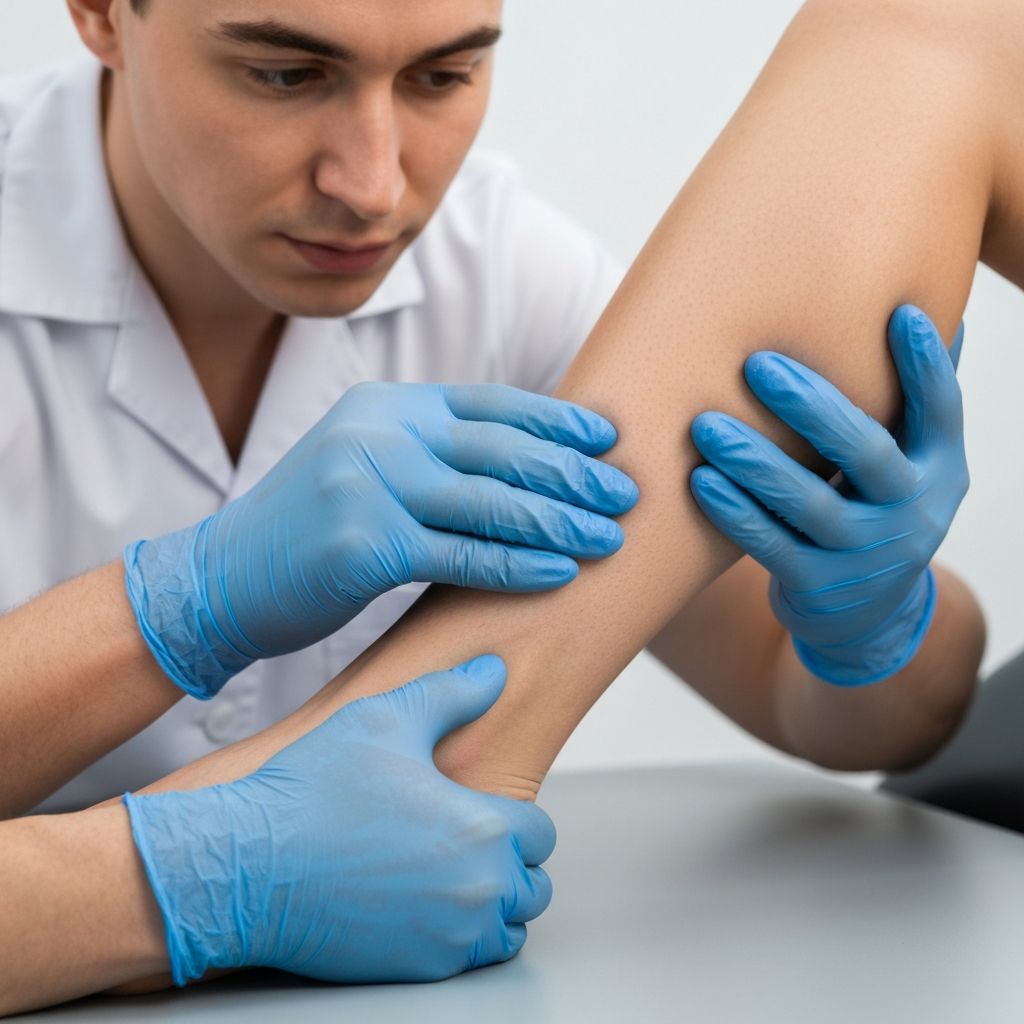
Achilles tendinopathy is a common overuse injury affecting the Achilles tendon — the thick cord of tissue connecting the calf muscles to the heel bone. It causes pain, stiffness, and swelling at the back of the ankle, and can significantly limit activity if left untreated.
Treatment for Achilles tendinopathy focuses on reducing load, promoting tendon healing, and addressing the biomechanical factors that caused the problem in the first place. This includes eccentric strengthening exercises (the gold standard for tendon rehabilitation), custom orthotics to reduce strain, and shockwave therapy for chronic cases.
Recovery from Achilles tendinopathy takes time and patience — tendons heal slowly. However, with the right treatment plan and adherence to the rehabilitation programme, the vast majority of patients make a full recovery.
What We Offer
- Clinical tendon assessment
- Eccentric strengthening programme
- Shockwave therapy (ESWT)
- Custom orthotic prescription
- Activity modification advice
- Heel lift & taping techniques
Achilles tendinopathy rarely resolves with rest alone. Active rehabilitation with eccentric exercises is essential for tendon healing and preventing recurrence.
Sports Injury Assessment
Expert Lower Limb Sports Injury Diagnosis and Treatment.
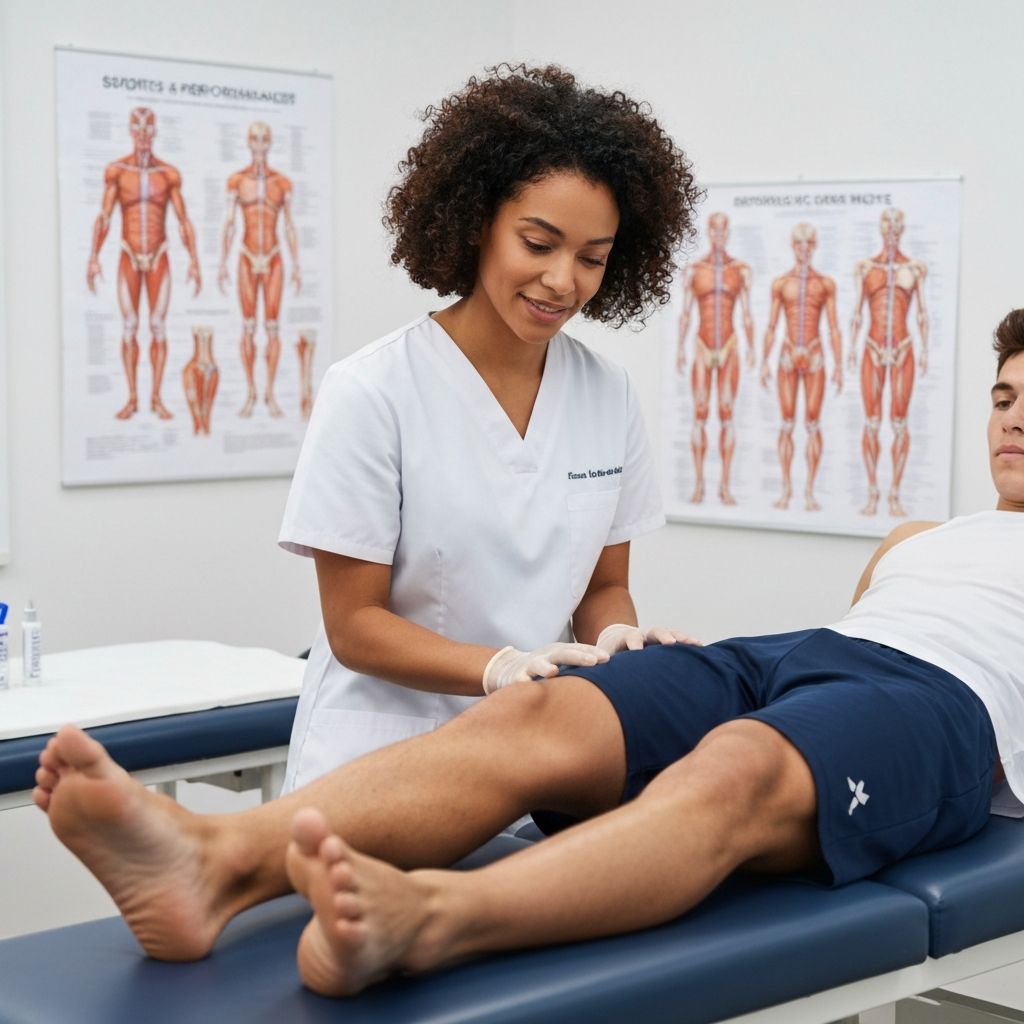
Sports injuries affecting the foot, ankle, and lower limb are extremely common — from acute sprains and strains through to chronic overuse injuries such as stress fractures, shin splints, and tendinopathies. Accurate diagnosis and early intervention are critical for minimising recovery time and preventing long-term damage.
Our podiatrists specialise in the assessment and management of lower limb sports injuries. We work closely with athletes of all levels — from recreational runners to elite competitors — to get them back to full function as quickly and safely as possible.
Treatment is always evidence-based and tailored to the individual athlete. We consider training load, biomechanics, footwear, and sport-specific demands when designing rehabilitation programmes and return-to-sport plans.
What We Offer
- Comprehensive sports injury assessment
- Video gait & running analysis
- Custom sports orthotics
- Injury-specific rehabilitation programmes
- Return-to-sport planning
- Injury prevention strategies
Early assessment of sports injuries reduces recovery time and the risk of chronic problems. Do not wait for pain to become severe before seeking help.
Posture & Alignment
Whole-Body Assessment to Address Lower Limb and Spinal Dysfunction.
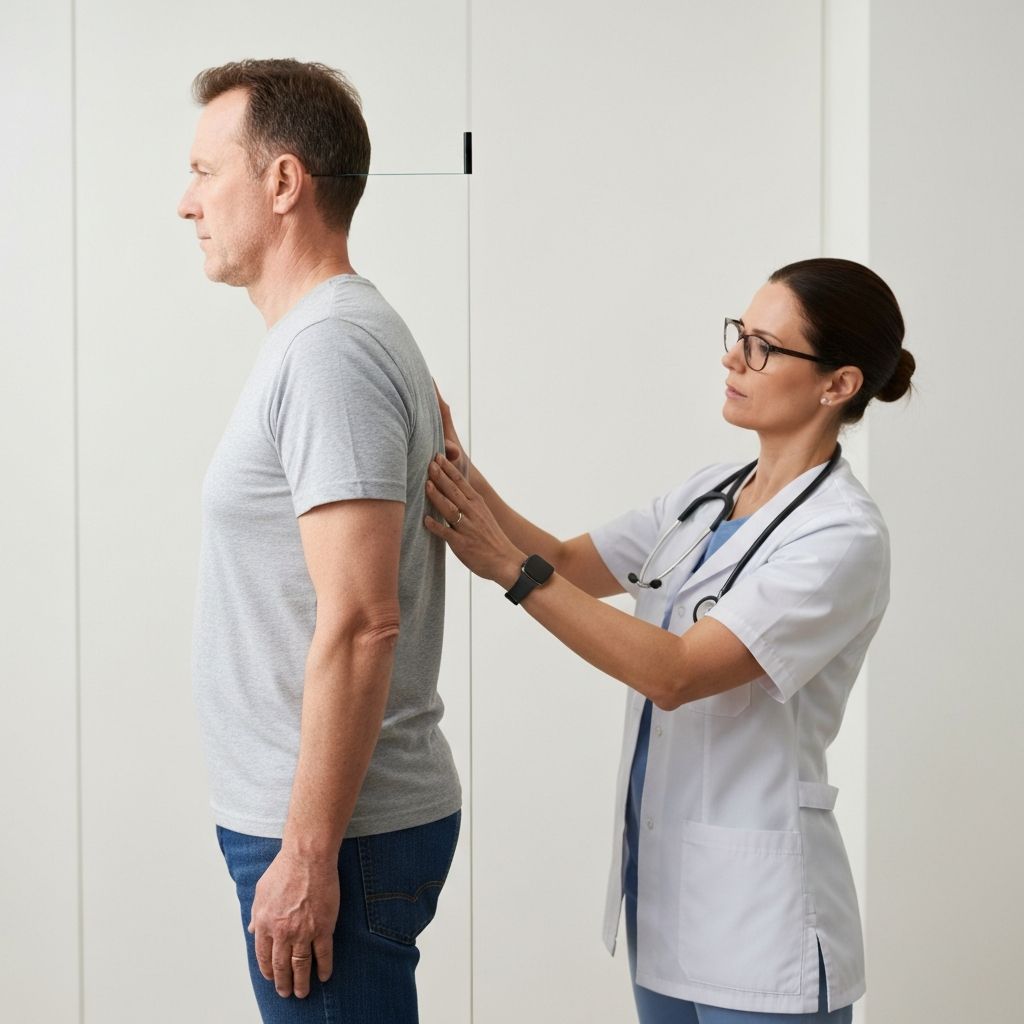
Posture and alignment issues affecting the feet, legs, pelvis, and spine are often interconnected. Leg length discrepancies, pelvic tilts, spinal misalignment, and foot overpronation can all contribute to chronic pain in the lower back, hips, knees, and feet.
Our podiatrists conduct full-body postural assessments to identify structural imbalances and alignment issues that may be contributing to your symptoms. Where appropriate, we prescribe custom orthotics with heel lifts, wedges, or posting to correct leg length discrepancies and improve pelvic alignment.
We work collaboratively with physiotherapists, chiropractors, and osteopaths to provide comprehensive care for patients with complex postural and alignment concerns.
What We Offer
- Full postural & alignment assessment
- Leg length measurement
- Pelvic tilt & spinal alignment evaluation
- Custom orthotics with corrective features
- Strengthening & stretching programme
- Multidisciplinary referral if required
Minor leg length discrepancies (under 5mm) rarely require treatment. However, larger discrepancies or those causing pain and dysfunction benefit significantly from orthotic correction.
FAQs
Your Biomechanical & MSK Questions Answered
A biomechanical assessment is a detailed evaluation of how your feet, ankles, knees, hips, and lower back move and function. It includes gait analysis, joint range-of-motion testing, muscle strength assessment, and postural evaluation. The goal is to identify structural or functional problems causing pain or limiting performance.
No referral is needed. You can book directly with us by phone or online. We see patients of all ages and activity levels — from sedentary individuals with chronic pain through to elite athletes seeking performance optimisation.
A comprehensive biomechanical assessment typically takes 45–60 minutes. This includes a full clinical examination, video gait analysis, discussion of your symptoms and goals, and a detailed treatment plan with recommendations.
Not necessarily. Orthotics are one treatment option among many. Your podiatrist will only recommend orthotics if they are clinically indicated and likely to provide significant benefit. Other treatments such as exercises, footwear changes, or manual therapy may be more appropriate.
Custom orthotic prices vary depending on the type of orthotic, materials used, and complexity of prescription. Your podiatrist will provide a full cost breakdown during your assessment. Orthotics are a long-term investment — they typically last 2–5 years.
Orthotics are highly effective for treating plantar fasciitis, but they work best when combined with other treatments such as stretching, strengthening, and activity modification. Most patients notice significant improvement within 6–12 weeks of starting treatment.
Yes. We assess children of all ages for conditions such as flat feet, toe walking, in-toeing, out-toeing, and growing pains. Early intervention can prevent long-term problems and support healthy development.
Absolutely. We specialise in running-related lower limb injuries including plantar fasciitis, Achilles tendinopathy, shin splints, stress fractures, and knee pain. We offer video running gait analysis and prescribe running-specific orthotics designed for high-impact activity.
Orthotics can help with back pain caused by lower limb biomechanical issues such as leg length discrepancies, overpronation, or pelvic misalignment. However, not all back pain is biomechanically driven. Your podiatrist will assess whether orthotics are appropriate for your specific case.
Shockwave therapy (ESWT) is a non-invasive treatment that uses high-energy sound waves to stimulate healing in damaged tendons and soft tissues. It is highly effective for chronic plantar fasciitis, Achilles tendinopathy, and other stubborn tendon conditions.
Our clinic is based in Arnold, Nottingham and we serve patients across Nottinghamshire including Gedling, Carlton, Mapperley, Woodthorpe, Ravenshead, Hucknall, Daybrook, Bestwood, Calverton, Lambley, Burton Joyce, Lowdham, Bingham, Radcliffe-on-Trent, West Bridgford, Beeston and surrounding areas.
In some cases, yes. Poor posture and lower limb alignment issues can contribute to tension in the neck and shoulders, which may lead to headaches. Correcting lower limb biomechanics can sometimes improve whole-body alignment and reduce muscular tension.
Ready to Resolve Your Lower Limb Pain?
Book a comprehensive biomechanical assessment at our Arnold clinic today. We offer same-day appointments for urgent concerns.